
Informed deliberation · public response
Public consultations
A public consultation opens a relevant decision to scrutiny before it is finalised. Structural projects, high-impact regulations and relevant national plans must undergo consultation unless duly justified urgency applies.
Pre-Foundation · constitutional order not yet promulgatedNo public consultation is open.Project constitutional proposal · Portuguese reference text
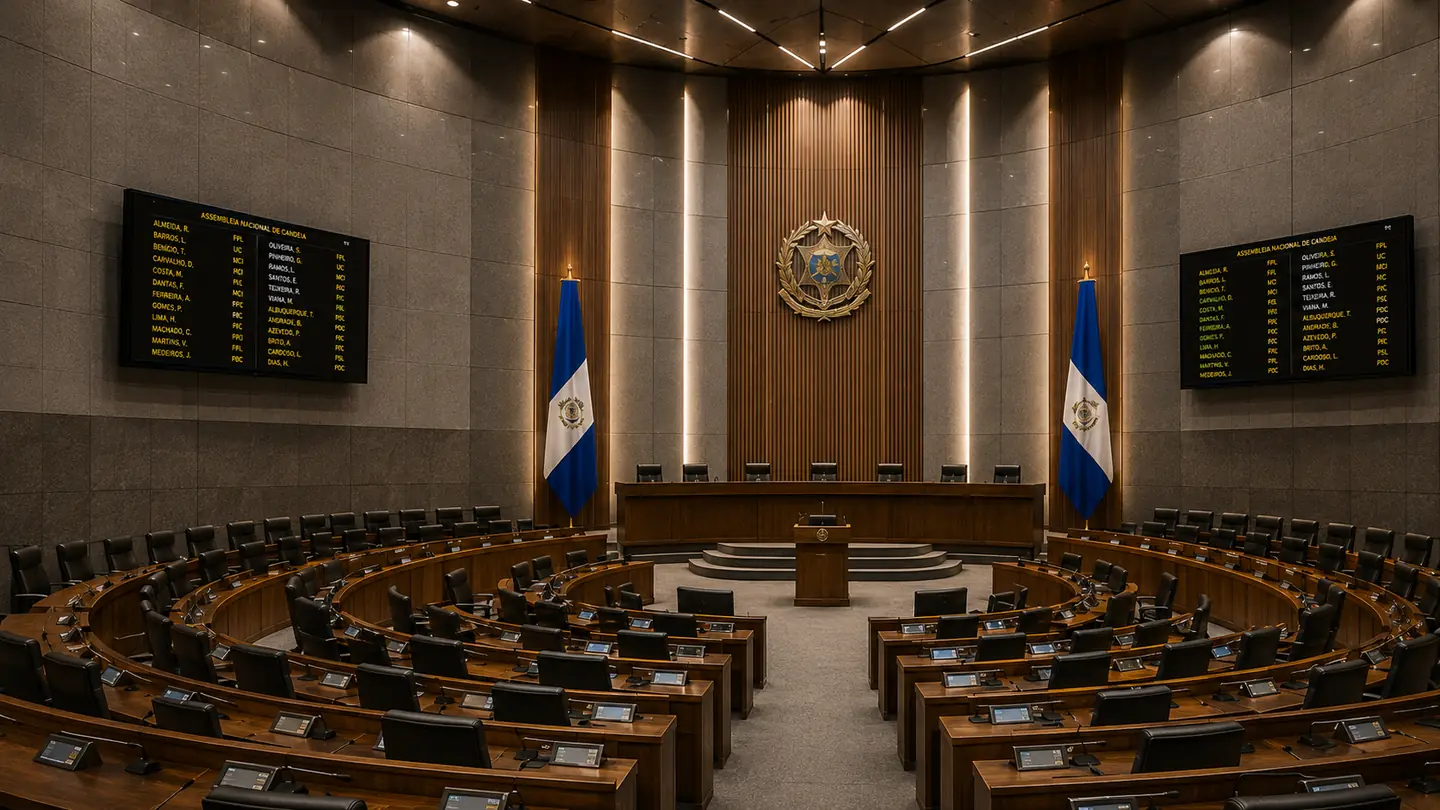
In brief
A good consultation lets a person understand what is at stake and later see whether relevant arguments were answered — even when the final decision does not match the majority position.
How the Constitution structures this subject
Before relevant decisions
Consultation is especially important for structural projects, high-impact regulation and national plans.
Sufficient material
Participants need to understand the purpose, alternatives, risks and safeguards in order to contribute meaningfully.
More than one way to participate
The interface, deadline and documentation must reduce barriers and enable meaningful participation.
Show what was considered
Closing the process must produce an institutional response explaining the themes received and their effects on the decision, where actual data exists.
How it works
Publish the scope, authority, documents, timetable and means of participation.
Submit a contribution through Candeia OS.
Organise arguments and evidence without turning a simple majority into a substitute for law.
Publish the decision, reasons and response report.
Limits and safeguards
- A consultation is not a plebiscite, and popularity does not displace fundamental rights or legal competence.
- Urgency may justify an exception, but it must be duly reasoned.
- GOV does not invent the number of contributions, majority positions or a final report when no actual consultation exists.