
Vote · confidence · accountability
Political offices
A political office exists for functions whose legitimacy depends on election, parliamentary confidence or a constitutionally prescribed political choice. Technical merit may inform the choice, but it does not replace the democratic mechanism.
Pre-Foundation · planned structure, not yet established
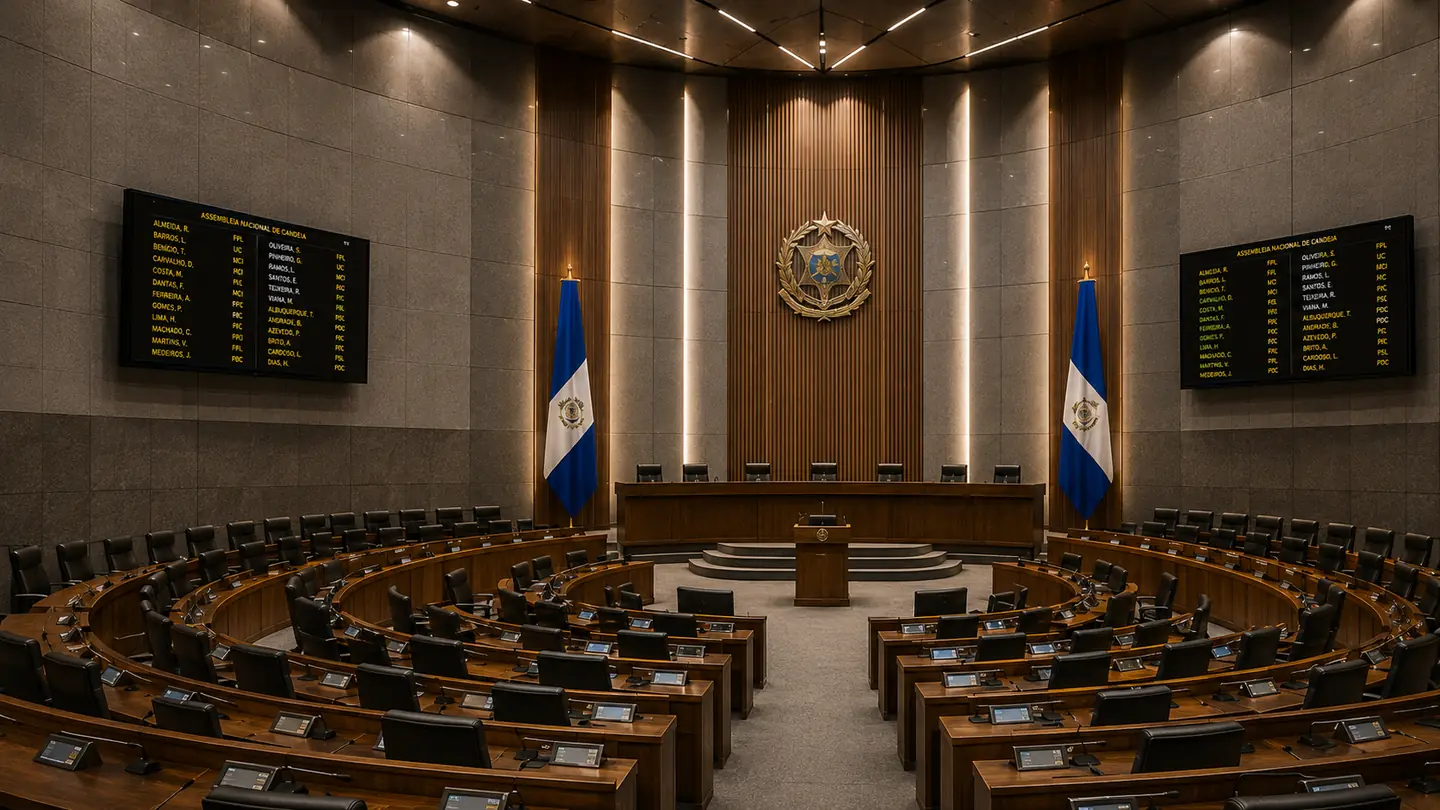
Today
Permanent political offices have not yet been established. When a real mandate exists, this page will show the method of selection, powers and limits.
In brief
Legitimacy through the vote
The Presidency and National Assembly depend on election as provided by the Constitution.
Parliamentary legitimacy
The Prime Minister and Government depend on formation and confidence of the National Assembly.
Limited scope
Political and confidence-based offices must be strictly defined.
Protected boundary
Political leadership cannot replace permanent career services en masse.
How it works
Election, parliamentary confidence or a prescribed political appointment.
Apply the relevant quorum, election or appointment act.
Act only within the defined political mandate.
Respect the applicable rules on election, confidence, term, dismissal or succession.
Limits and safeguards
- A knowledge test cannot choose the President or a member of the National Assembly in place of the voter.
- A personal relationship with a ruler does not create a permanent public-service career.
- Political office does not authorise demands for ideological loyalty from technical public servants.
What this means for you
If the function is political, you should know who confers legitimacy and how that legitimacy ends. A “meritocratic” process cannot be used to take from citizens or Parliament a choice that the Constitution reserves to them.