
Public finances · planning and authorisation
Budget and Medium-Term Fiscal Plan
The budget is how Candeia shows how much it expects to receive, where it intends to spend and which risks it must finance. The proposal also provides for a five-financial-year Medium-Term Fiscal Plan without turning future projections into a vested right to expenditure.
Constitutional proposal · not promulgatedNo presumed external convertibilityGOV informs · OS provides access · Sistema Candeia executes when active
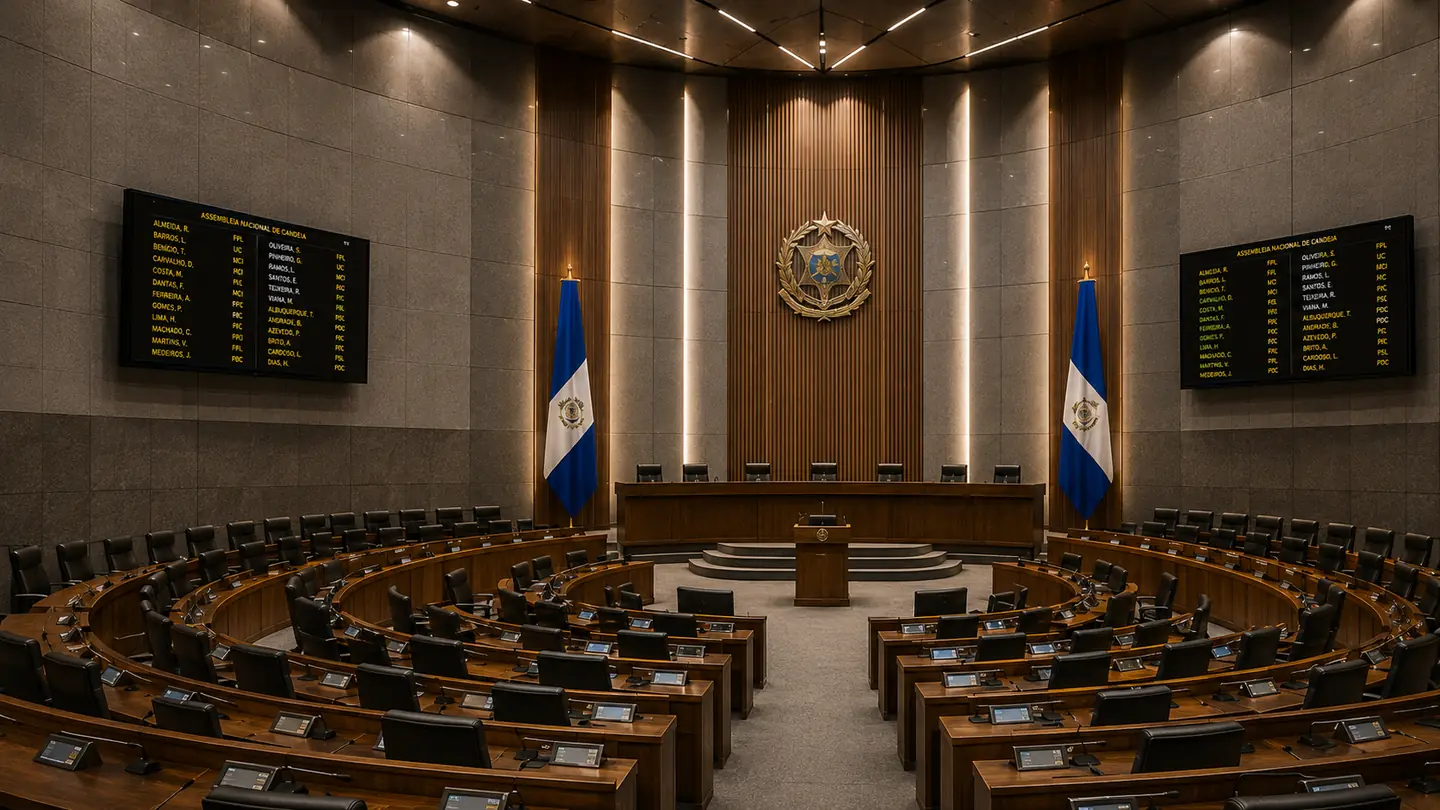

Today · no budget in execution
Candeia does not yet have an annual public budget in execution. This page shows how planning, authorisation, execution and transparency are intended to connect once a real budget process exists.
When a public budget is in execution
Currency and public finances will depend on the promulgated Constitution, the relevant organic laws, the establishment of institutions, technical controls and official data from the competent source. GOV remains the public layer; the person operates through Candeia OS and execution occurs in the competent modules of Sistema Candeia.
In brief
Authorises expenditure
Revenue, expenditure, risks, funds, debt and guarantees must appear within the same fiscal framework.
Five financial years
Macroeconomic scenarios, debt, CCME, CMEP, funds, investments and risks are projected and reconciled.
Independent opinion
Assesses assumptions, sustainability, fiscal rules and the correction path.
Essential functions
The absence of a new budget does not automatically interrupt essential functions or debt obligations already due.
How it works
The Government presents a scenario and trajectory for five financial years.
The first financial year of the plan serves as the basis for the budget.
The Independent Fiscal Council assesses it and the Assembly deliberates.
The Treasury executes; data and material divergences must remain auditable.
Limits and what this page does not do
- A multiannual projection does not create a vested right to future expenditure.
- A vehicle, fund or undertaking cannot hide debt or expenditure outside the fiscal perimeter.
- Temporary revenue should not finance permanent recurring expenditure without a structural strategy.
- GOV does not display decorative figures when no official fiscal data exists.
What this means for you
When a real budget exists, you should be able to compare plan, authorisation, execution, risks and audit instead of seeing only one aggregate “public spending” figure.