
Candeia · sistema digital em construçãoStatus do projeto
GOV.CANDEIAPortal do Sistema Candeia
Entrar em Candeia

Serviços

ServiçosIdentidadeCidadaniaDocumentosRegistro de novo cidadãoVerificar documentoCorrespondência oficialSímbolos de Candeia

Instituições

Instituições de CandeiaSobre CandeiaStatusFundaçãoConstituiçãoDireitos digitaisLegislaçãoDiário OficialGovernoJustiçaEleiçõesResultados eleitorais

Economia

EconomiaComo a economia se conectaTrabalhoContratosConsumidorEmpresasPropriedadeEscudo CE$BNDCMercado Público

Transparência

Visão geralOrçamentoCompras públicasAcesso à informaçãoIntegridadeAlgoritmosDadosEstatísticas

Infraestrutura digital

InfraestruturaCibersegurançaAPIsSistema CandeiaStatus operacionalTerritório digitalIntegrações externasAjudaAcessibilidadeIdiomasSobre o portalContatoApoiar Candeia

Candeia OS

Interface operacional · pré-alfa

Conhecer o Candeia OSEntrar para acessarVer status do projeto
Inquiry initiated by a qualified minority

Parliamentary Inquiry Committee

A Parliamentary Inquiry Committee will be an internal Assembly investigative instrument for examining a defined fact of relevant interest to Candeia. It gathers information and conducts political oversight, but it has no real-world police powers.

Structure provided for in the Proposed Constitution · Assembly not yet established
Approved representation of the National Assembly
TriggerOne quarter of the legal number of members
SubjectA defined fact of relevant public interest
NaturePolitical oversight; not criminal adjudication
Status

The Assembly has not yet been established.

Scope

A parliamentary inquiry is an internal parliamentary investigation; it does not replace Justice, the Public Prosecution Service or competent external authorities.

How a parliamentary inquiry is created

A request signed by at least one quarter of the seats, with any fraction rounded up to the next whole number, establishes the inquiry. The request defines a specific fact; its subject, duration and powers follow law and rules of procedure compatible with the Constitution.

Proportional composition and minority protection

Composition reflects the Assembly proportionally. When the inquiry was requested by the opposition or a minority, its chair or principal rapporteurship is assigned to a parliamentarian outside the governing base, if an eligible person exists, without giving the minority unilateral control over the substance of the report.

Power to obtain information

Authorities, the Administration, public enterprises, delegated operators and contractors holding information under the Republic’s functional control have a duty to cooperate. Legally protected secrecy requires a secure and proportionate method of access, not absolute refusal.

A parliamentary inquiry is not a court

It does not determine criminal guilt

A parliamentary inquiry produces information and political oversight. It does not replace a judge or the Public Prosecution Service, may not compel prohibited self-incrimination and may not use its powers for partisan persecution.

Primary basis: Art. 199.

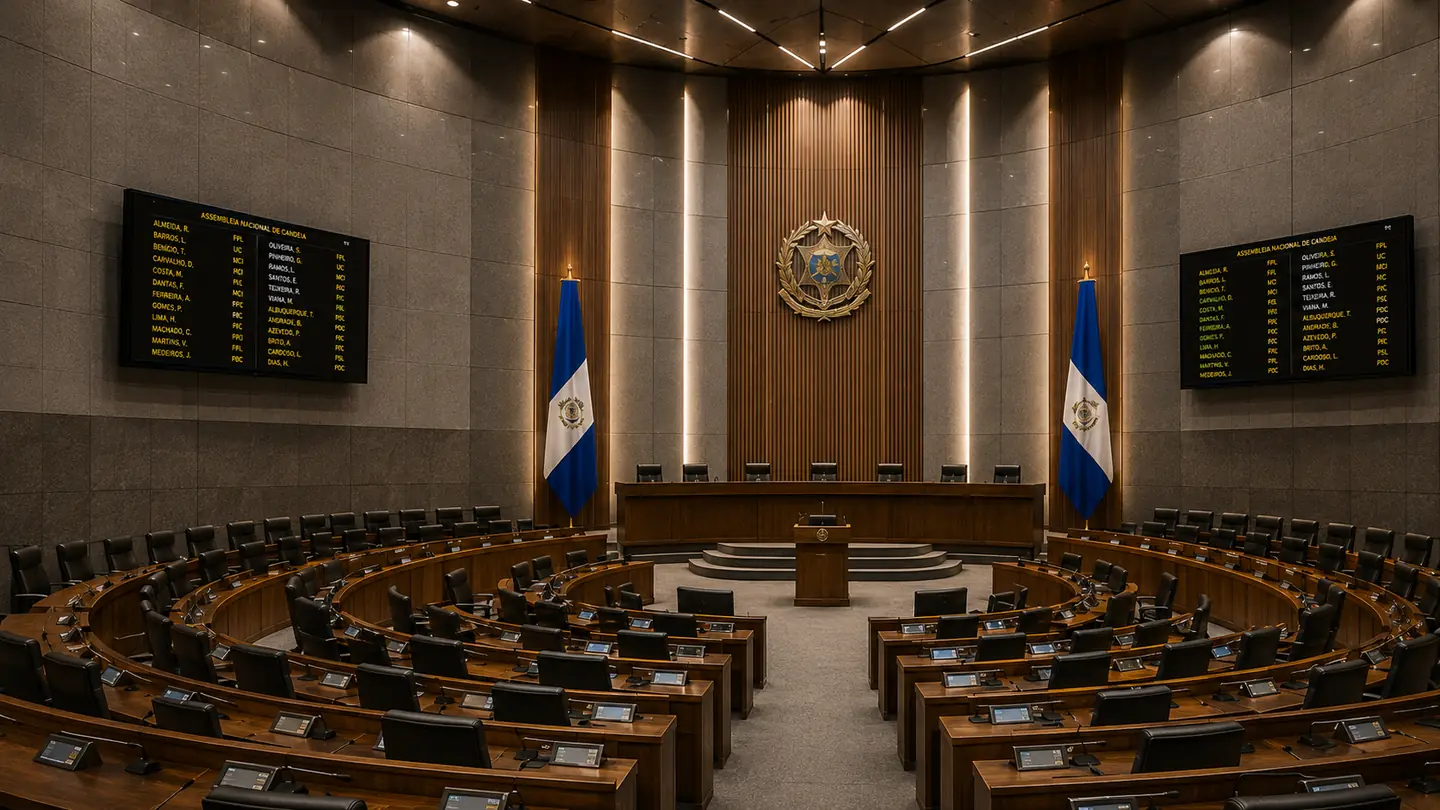
Seal of the National Assembly
Institutional support seal; no actual parliamentary inquiry is in operation.
GOV.CANDEIA — informações públicas de CandeiaGOV.CANDEIA documenta regras, serviços e instituições do sistema digital Candeia.

Pesquisar GOV.CANDEIA