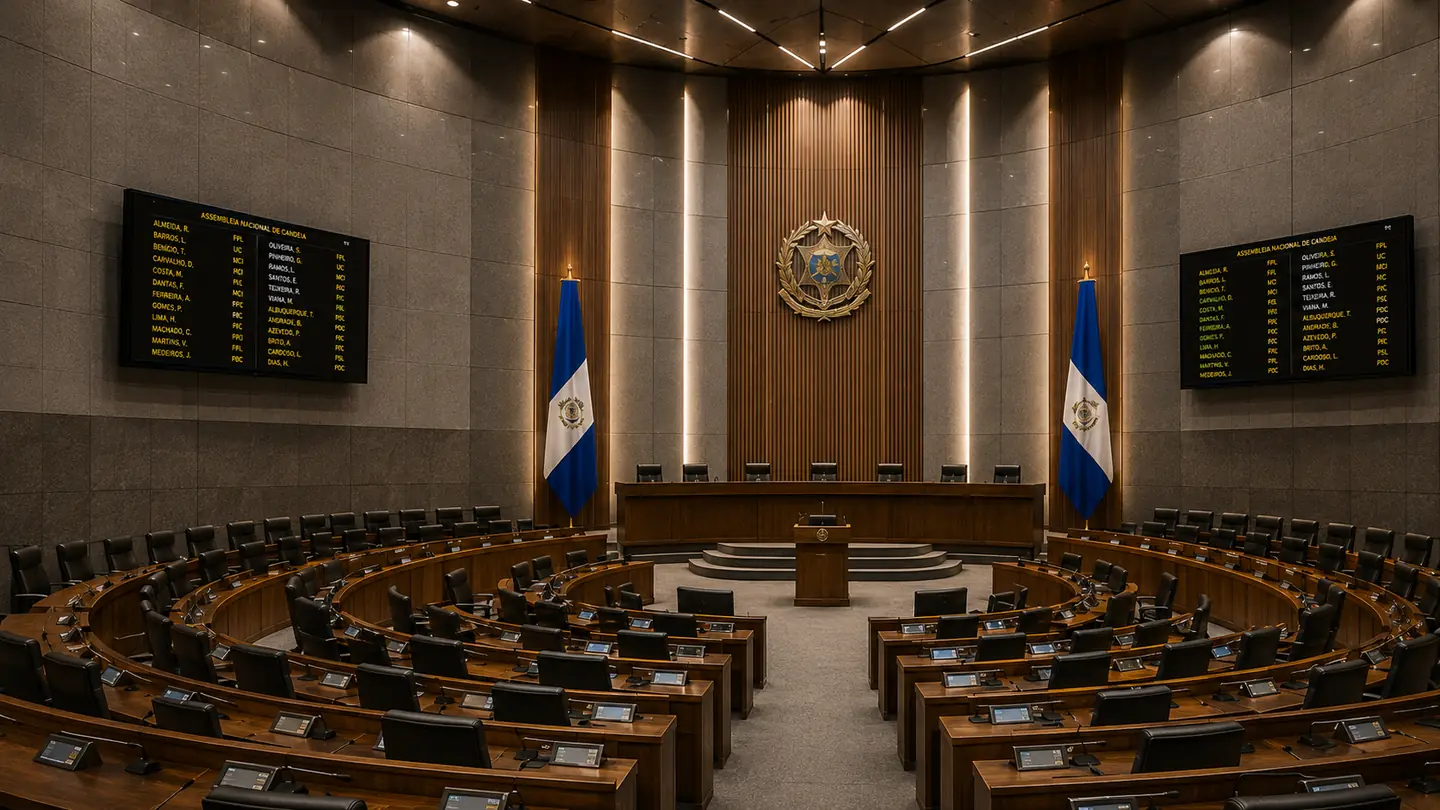
The Assembly has not yet been established.
This page defines what must be published and how the work of the Assembly may be followed.
Public sittings are the rule
The Assembly operates in public sittings, whether in person or authenticated digitally, except where exceptional secrecy applies. This enables a digital institution without giving up publicity, authenticity and record-keeping.
What must be published
Votes, attendance, minutes, bills and amendments must be published. During the legislative process, a bill must reach the final vote accompanied by its reasons, an impact assessment where relevant and a history of amendments.
Text for reading and machine processing
The final approved text must be made available both in human-readable and machine-readable formats, with a roll-call record of the vote and identification of the constitutional quorum used. The GOV interface facilitates reading; the competent official record remains the reference for the approved text and its legal status.
Secrecy cannot hide the rule
Personal data, a protected source, a sensitive investigation or a vulnerability may require protection. Secrecy does not authorise secret law, absolute refusal of oversight or concealment of illegality.
Primary basis: Art. 189, Art. 195.